Can your diet and healthy living slow down the progression of cataracts?
The precise reasons as to why cataracts develop are still largely unknown, and the only effective...
Read more
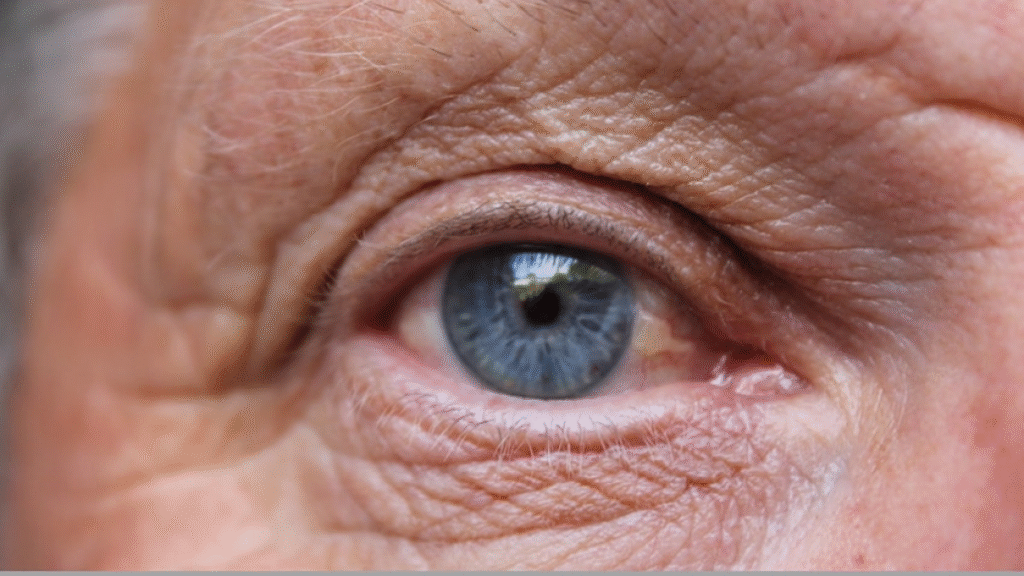
Being diagnosed with Macular Degeneration (MD) can feel overwhelming – but it doesn’t have to mean the end of an active, independent, and fulfilling life. With the right support, adaptive tools, and lifestyle strategies, many people continue to do the things they love while protecting their vision and mental wellbeing.
using high-contrast colours, and enlarging text on devices can make everyday tasks easier and safer.
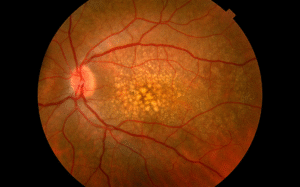
Macular degeneration affects the central part of your retina (the macula), which is responsible for sharp, detailed vision. This can make reading, driving, or recognising faces more difficult. However, it’s important to remember that MD does not cause complete blindness – peripheral vision remains intact.
Learning to adapt and make practical adjustments early on can greatly improve quality of life. Simple changes such as increasing lighting at home, using high-contrast colours, and enlarging text on devices can make everyday tasks easier and safer.
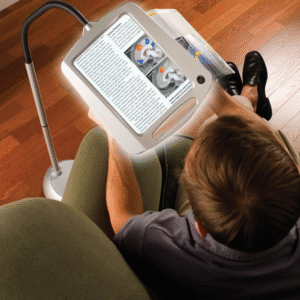
Technology has come a long way in helping people with macular degeneration stay independent. Some helpful aids include:
These tools can transform how you manage daily routines – empowering you to stay connected and confident.

A diagnosis of macular degeneration can bring up feelings of frustration, anxiety, or loss. These emotions are normal. Prioritising your mental health is just as important as managing your eyesight.
Many people find comfort in talking with counsellors, joining low vision support groups, or connecting with others who understand what they’re going through. Mindfulness, creative hobbies, and gentle physical activity like walking or yoga can also boost emotional wellbeing and reduce stress.

Family and loved ones play a key role in living well with MD. They can help with transport, home safety adjustments, and emotional encouragement. Open communication is key -share how the condition affects your vision so they can understand how best to support you.
Encouraging family members to attend eye appointments can also help them learn more about the condition and ways to assist in maintaining your independence.
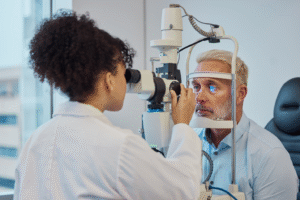
At SA Eye Specialists, we’re dedicated to helping you preserve your vision and live fully with macular degeneration. Our experienced ophthalmologists provide comprehensive eye exams, personalised treatment plans, and access to low vision resources tailored to your needs.
We work with you every step of the way – from diagnosis to ongoing management – to ensure you receive the best possible care and support.
Protect your vision, empower your lifestyle!
📞 Contact us today: +61 8 8243 0900
📍 Visit us at: 27 Woodville Rd, Woodville South, SA 5011
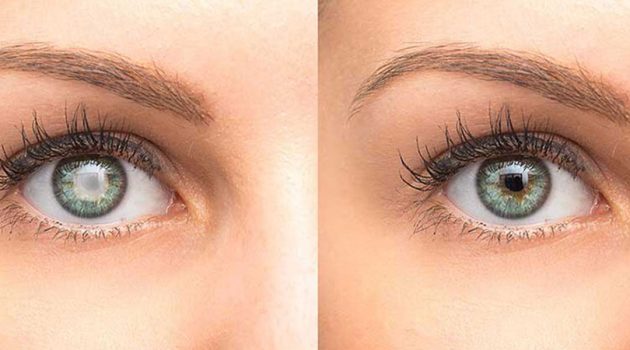
The precise reasons as to why cataracts develop are still largely unknown, and the only effective...
Read more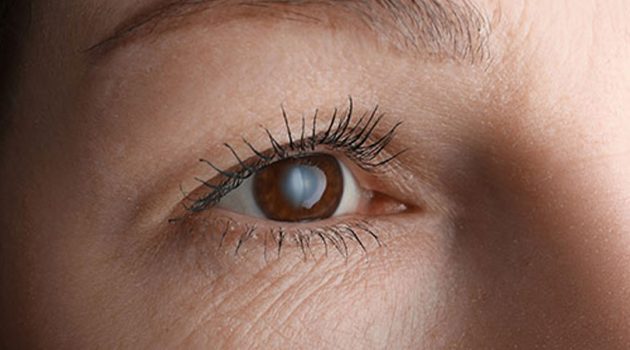
Cataract is a condition when the clear lens of the eye becomes clouded. The symptoms can include ...
Read more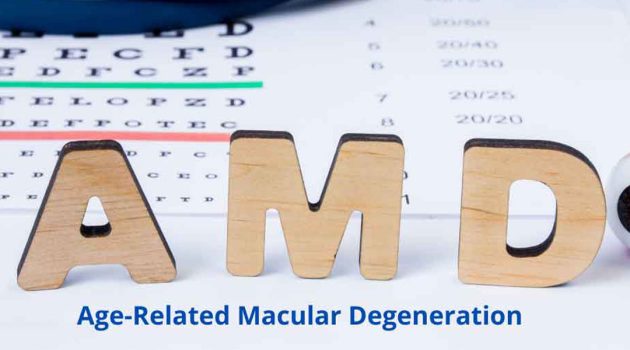
According to the Australian Institute of Health and Welfare, it is estimated that over 240,000 pe...
Read more
Blepharitis is an eye condition that can appear in children and adults of any age (although it mo...
Read moreThe practicing specialists at SA Eye Specialsits are active members and fellows of multiple organisations including