Cataract in South Australia

March 17, 2026

Cataract in South Australia: A Practical Referral and Management Guide for Doctors

Why cataract care matters now more than ever

  • Cataract is the leading cause of reversible visual impairment in older adults and a major driver of falls risk, loss of independence and driving restrictions.
  • With an ageing South Australian population and clear clinical care standards for cataract, timely assessment and referral from primary care has never been more important.

Understanding cataract for referrers

What is cataract – beyond “cloudy lenses”

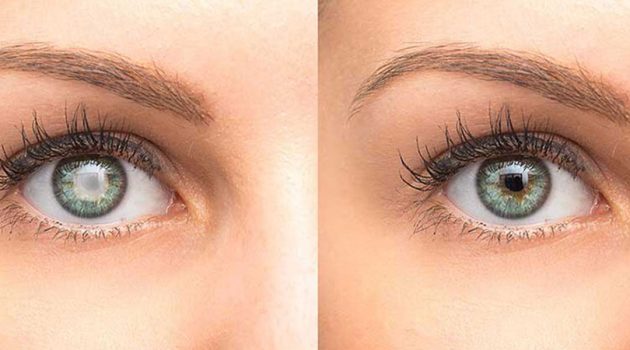
  • Cataract is an opacification of the crystalline lens that reduces contrast sensitivity, causes glare and blur, and interferes with daily visual tasks.
  • Patients may initially report problems with night driving, oncoming headlights, reading in dim light or recognising faces even before Snellen acuity drops below licensing standards.

Typical presentations in general practice and optometry

  • Common complaints include glare, haloes around lights, faded colours, “filmy” or “smudged” vision, frequent prescription changes and difficulty driving at night.
  • Cataract often coexists with comorbidities such as diabetes, glaucoma and macular disease, so a holistic assessment and clear documentation are essential before referral.

Primary care assessment and decision to refer

Assessing the impact – more than a visual acuity

  • National cataract clinical care standards emphasise assessment of visual impairment, activity limitations and comorbidities alongside best‑corrected visual acuity.
  • Functional history should explore driving status, falls, work or caring responsibilities, and the patient’s willingness to consider surgery.

When to refer for cataract surgery assessment

  • Referral is appropriate when documented cataract is associated with disabling symptoms that affect activities of daily living or when acuity is around 6/12 or worse in the affected eye, particularly if it impacts licensing or safety.
  • South Australian ophthalmology Clinical Prioritisation Criteria (CPC) outline triage thresholds for public services and emphasise inclusion of recent optometry findings for efficient categorisation.

 What information to include in the referral

  • High‑quality referrals include the patient’s willingness for surgery, recent best‑corrected acuity in both eyes, refraction, dilated fundus findings and relevant systemic and ocular comorbidities.
  • Detailing symptom onset, severity, impact on work, study, driving and falls risk supports appropriate triage and prioritisation by the receiving ophthalmology service.safetyandquality.

The ophthalmologist’s perspective

What ophthalmologists need from GP and optometry referrers

  • Clear documentation of current medications (especially anticoagulants, alpha‑blockers and diabetes therapies), past ocular surgery and systemic risk factors assists pre‑operative planning.
  • Recent visual fields, OCT or retinal imaging are particularly helpful where coexisting glaucoma, diabetic retinopathy or macular pathology may influence surgical timing and prognosis.

Surgical decision‑making and lens choices

  • Consultant ophthalmologists assess overall ocular health, surgical risk, patient expectations and lifestyle to determine timing of surgery and intraocular lens (IOL) selection.
  • Modern options include monofocal, toric and multifocal IOLs, with some South Australian cataract centres offering bespoke lens strategies to reduce dependence on glasses.

What to tell patients about cataract surgery

Setting expectations in primary care

  • Cataract surgery is typically a day procedure performed under local or topical anaesthesia with high success rates and rapid visual recovery.
  • Patients should understand that surgery removes the cloudy lens and replaces it with a clear artificial lens, but coexisting retinal or optic nerve disease may limit final vision.

Addressing common patient concerns

  • Many patients worry about pain, losing the eye or long wait times; reassuring them that surgery is usually quick, with minimal discomfort and structured follow‑up helps reduce anxiety.
  • Clarifying the likely need for glasses after surgery (especially for near tasks with monofocal lenses) prevents unrealistic expectations and supports informed consent.

Shared care, follow‑up and safety

Post‑operative care and the GP’s role

  • After uncomplicated cataract surgery, early review is usually by the ophthalmologist or optometrist, but GPs remain key for managing systemic risk factors and recognising red flags.
  • Warning symptoms such as severe pain, sudden visual loss, marked redness or flashes and floaters require urgent ophthalmic assessment to exclude sight‑threatening complications.

Opportunities for collaborative care in South Australia

  • SA Eye Specialists and other Adelaide cataract centres provide collaborative pathways with optometrists and GPs, including co‑managed pre‑ and post‑operative care where appropriate.
  • Clear, two‑way communication between primary care and ophthalmology improves patient experience, shortens time to surgery for those most in need and aligns practice with current cataract clinical care standards.

SA‑specific call to action

Streamlined cataract referrals for South Australian doctors

  • South Australian CPC guidelines and national cataract clinical care standards now give doctors clear criteria and documentation checklists for referring adults with visually significant cataract.

Related Resources

Close up of cataract on the left eye

Can your diet and healthy living slow down the progression of cataracts?

The precise reasons as to why cataracts develop are still largely unknown, and the only effective...

Read more

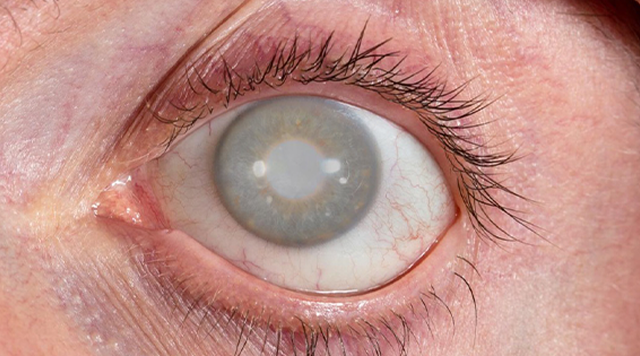
Lady with a cataract

What are Cataracts and How are they Treated?

Cataract is a condition when the clear lens of the eye becomes clouded. The symptoms can include ...

Read more
Macualr Degeneraton tiles

What is Macular Degeneration and How can it be treated?

According to the Australian Institute of Health and Welfare, it is estimated that over 240,000 pe...

Read more

Blephartis lady rubbing her eyes

What is Blepharitis and How is it Treated?

Blepharitis is an eye condition that can appear in children and adults of any age (although it mo...

Read more

Memberships and Fellowships

The practicing specialists at SA Eye Specialsits are active members and fellows of multiple organisations including


Accessibility