Cataract in Adults

March 20, 2026

WHy ? Cataract (the clouding of the eye’s natural lens) is one of the most common and most treatable causes of vision loss in adults.

Cataract in Adults: Signs, Treatment and What to Expect

As we get older, some changes in our eyes are normal, but blurred or cloudy vision from cataract can slowly steal independence if it is ignored. The good news is that cataract is very treatable, and understanding the basics makes decisions about surgery much easier.

What is a cataract?

  • Inside each eye is a clear natural lens that helps focus light so you can see clearly.
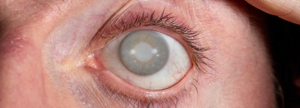
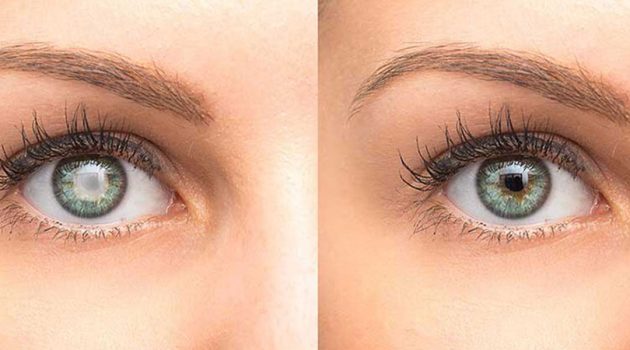
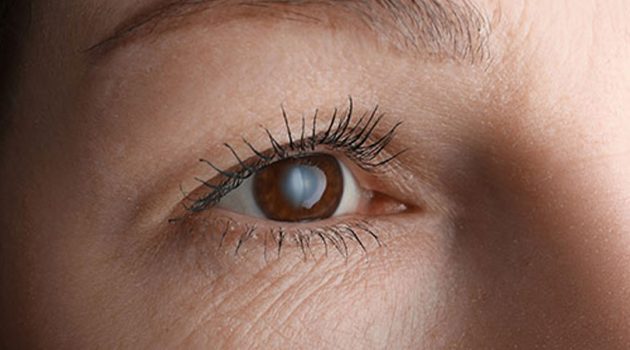
  • A cataract happens when this lens becomes cloudy over time, making things look blurred, hazy or less colourful, as if you are looking through a dirty window.

Common symptoms adults notice

  • Cloudy, blurred or “filmy” vision that is not fully fixed with new glasses.
  • Glare or haloes around headlights and streetlights, especially at night.
  • Colours that seem faded or yellowed and needing brighter light for reading.
  • Frequent changes in glasses prescriptions without real improvement in clarity.

Is cataract dangerous?

  • Cataract itself usually develops slowly and does not damage the rest of the eye in most people.
  • However, it can seriously affect daily life: reading, driving, watching TV, recognising faces and moving safely around the home.
  • Severe cataract can increase your risk of falls and may mean you no longer meet legal vision standards for driving.

Who is most at risk?

  • People over 60, especially those in their 70s and 80s.
  • People with diabetes, long‑term steroid use or high exposure to sunlight.
  • Smokers and those with a strong family history of cataract.
  • Previous eye injury or eye surgery can also increase the risk.

When should you get your eyes checked?

  • If you notice gradual blurring, more glare, difficulty driving at night or needing more light to read, it is time for an eye check.
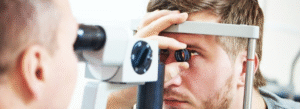
  • A full eye examination by an optometrist or eye specialist can confirm whether cataract is the main cause of your symptoms.
  • Do not assume it is “just age”; some other eye problems can mimic cataract and need earlier treatment.

Can eye drops or diet cure cataract?

  • At the moment, cataract cannot be reversed with drops, vitamins or lifestyle changes.
  • A healthy diet, not smoking and protecting your eyes from UV light are great for overall eye health but will not clear an established cataract.
  • The only proven way to treat cataract once it affects your daily life is surgery.

When is cataract surgery recommended?

  • Surgery is usually recommended when cataract is interfering with everyday activities that matter to you: reading, driving, working, caring for others or enjoying hobbies.
  • There is no single “right” level on the eye chart; the decision is based on both your vision test result and how much the cataract is affecting your life.
  • You and your eye specialist decide together when the benefits of surgery outweigh the small risks.

What happens during cataract surgery?

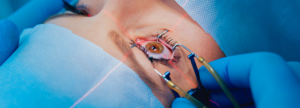
  • Cataract surgery is normally a day procedure: you come in, have the operation and go home the same day.
  • The cloudy lens is removed through a very small opening and replaced with a clear artificial lens (called an intraocular lens) that stays in your eye permanently.
  • The operation is usually done under local anaesthetic with sedation, so you are relaxed and the eye is numb; you should not feel pain, only some pressure or water.

Will cataract surgery hurt?

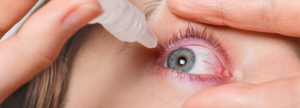
  • During surgery, anaesthetic eye drops and sometimes a small injection keep the eye numb.
  • After surgery, you may feel scratchiness, mild discomfort or a sensation like something in the eye for a few days.
  • Simple pain relief tablets, along with the prescribed eye drops, are usually enough to keep you comfortable.

What is recovery like?

  • Many people notice clearer vision within a day or two, although it can keep improving for several weeks.
  • You will be given eye drops to reduce inflammation and prevent infection, and you will need to avoid rubbing the eye and heavy lifting for a short time.
  • Most people return to normal daily activities quickly, but always follow your surgeon’s specific advice about driving, exercise and work.

Will I still need glasses?

  • The new lens is chosen to match your eye measurements, and many people see much better without glasses for distance after surgery.
  • You will almost always need glasses for reading and close work if a standard “monofocal” lens is used.
  • There are special lens options (such as multifocal or toric lenses) that can reduce your need for glasses, but they are not suitable for everyone and may involve extra cost.

What are the risks?

  • Cataract surgery is one of the most commonly performed operations in the world and has a high success rate.
  • Like any surgery, there are risks, including infection, bleeding, swelling, retinal problems and, rarely, loss of vision.
  • Your surgeon will discuss your personal risk based on your general health and any other eye conditions you may have.

Questions to ask your eye specialist

  • How much of my vision problem is due to cataract versus other eye conditions?
  • What lens options are available for me, and what will my vision likely be like after surgery?
  • How long will I need to rest, and when can I drive or go back to work?
  • What warning signs should I look for after surgery that mean I need urgent review?

Taking the next step

  • If you suspect you have cataract, book a comprehensive eye exam with your optometrist or GP, who can then refer you to an eye specialist if needed.
  • Bringing a list of your medications and a family member or friend to appointments can help you remember important information and feel more confident about your choices.

Related Resources

Close up of cataract on the left eye

Can your diet and healthy living slow down the progression of cataracts?

The precise reasons as to why cataracts develop are still largely unknown, and the only effective...

Read more


Lady with a cataract

What are Cataracts and How are they Treated?

Cataract is a condition when the clear lens of the eye becomes clouded. The symptoms can include ...

Read more
Macualr Degeneraton tiles

What is Macular Degeneration and How can it be treated?

According to the Australian Institute of Health and Welfare, it is estimated that over 240,000 pe...

Read more

Blephartis lady rubbing her eyes

What is Blepharitis and How is it Treated?

Blepharitis is an eye condition that can appear in children and adults of any age (although it mo...

Read more

Memberships and Fellowships

The practicing specialists at SA Eye Specialsits are active members and fellows of multiple organisations including


Accessibility